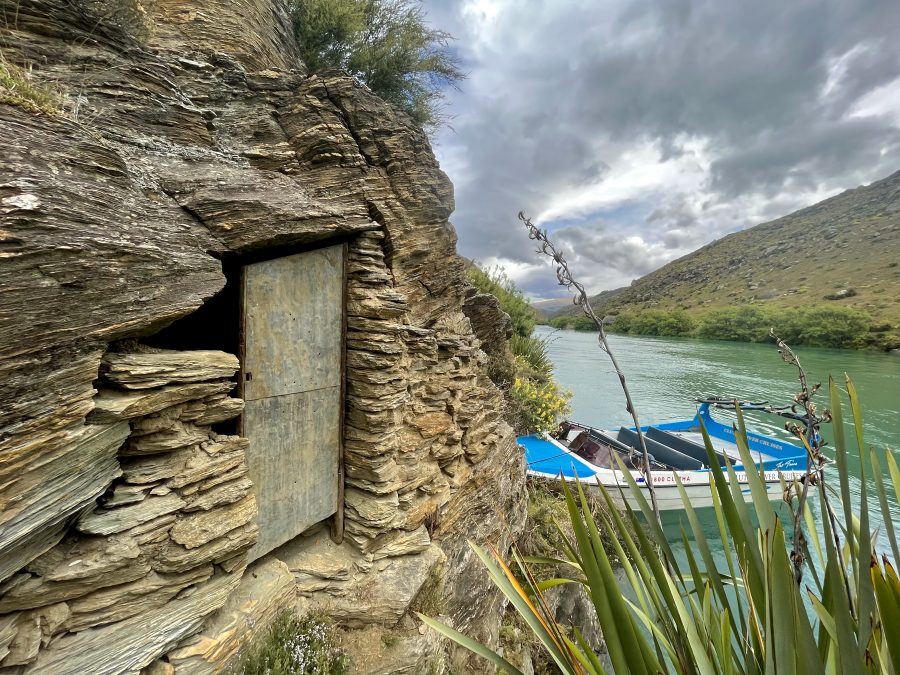
A heritage tour with Clutha River Cruises provides easy access to the remarkable gold-mining sites of Doctor’s Point and Butcher’s Point, areas normally hidden deep within the rugged Clutha/Mata-Au River gorge.
Gold was first discovered in 1861 at Gabriel’s Gully near Lawrence, sparking a rush that transformed Central Otago. Miners soon pushed upstream in search of new alluvial gold deposits, many of them veterans of earlier Pacific Rim gold rushes in California and Australia. They arrived by ship at Port Chalmers or Oamaru and then walked into the vast, unpopulated hinterland by the thousands, driven by the hope of striking it rich.


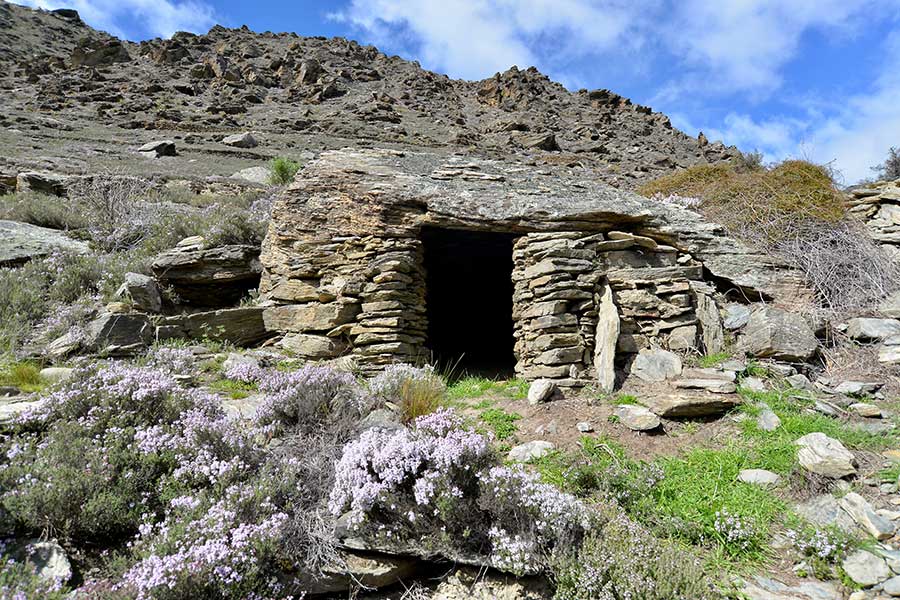
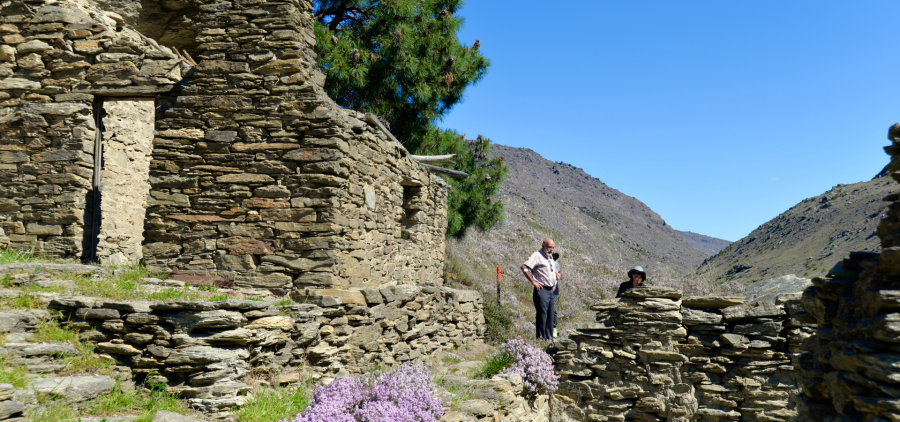
The treeless Central Otago landscape created new challenges for early miners. With no timber available for buildings or gold-prospecting machinery, they turned instead to the durable schist stone that gives the region its dramatic, breath-taking scenery.
Their efforts left behind a remarkable legacy of stone miners’ huts, stores and historic gold workings, all preserved by the gorge’s isolation and inaccessibility for more than 150 years.
Some of the only surviving examples of Chinese and European gold miners’ huts still visible in their original locations lie nestled among the rocks along the Clutha/Mata-Au River between Alexandra and Roxburgh.
Dunstan Gold Rush Pioneers. Clutha River (Aug, 1862)
“Our object was to work only the richest spots, as we did not know how soon we might be discovered and rushed. We did not wash anything unless we thought it would pay about a pound weight a day – that is six ounces each”
– Horatio Hartley & Christopher Reilly, August 1862
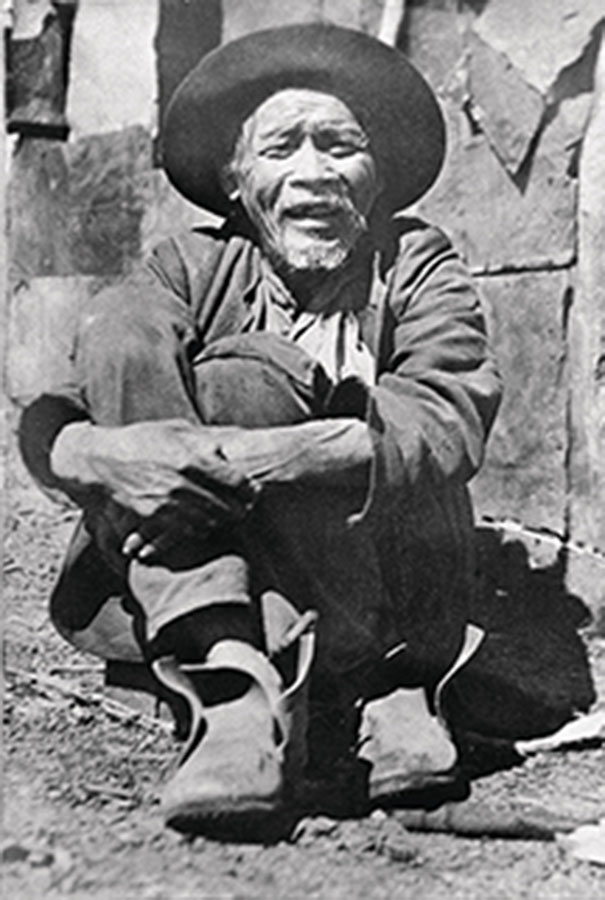

Chinese Miner, Clutha River (Molyneux) river, Otago.
Early Gold Miners were not always well equiped for the harsh Central Otago conditions.
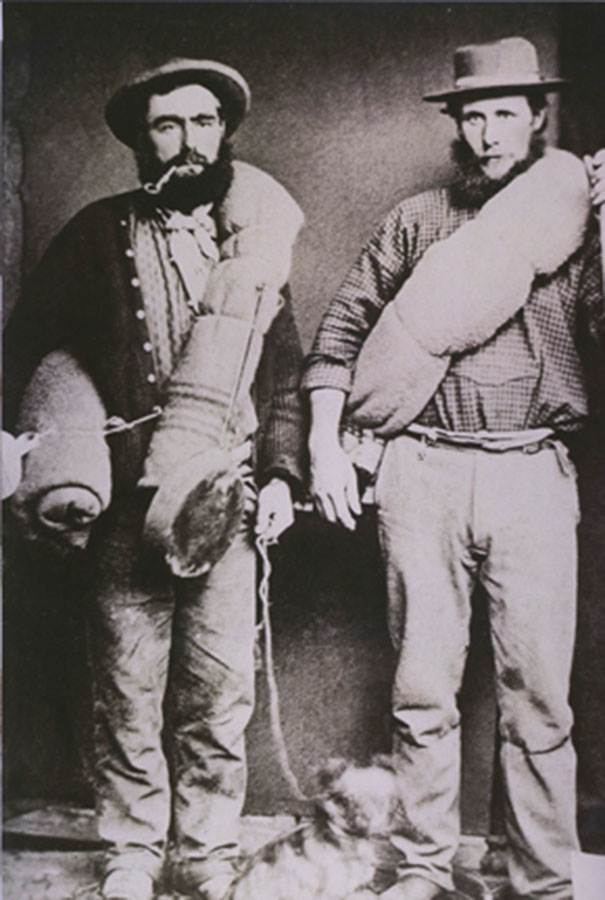

18th November 1862